Understand
Mixed methods research, interviews, experiments, and behavioral data to understand what matters to people, what moves them, and why.
Youval (Yuvi) Aberman
Behavioral researcher · Facilitator · Musician & educator
Based between Canada & Costa Rica · Working remotely
Who I am
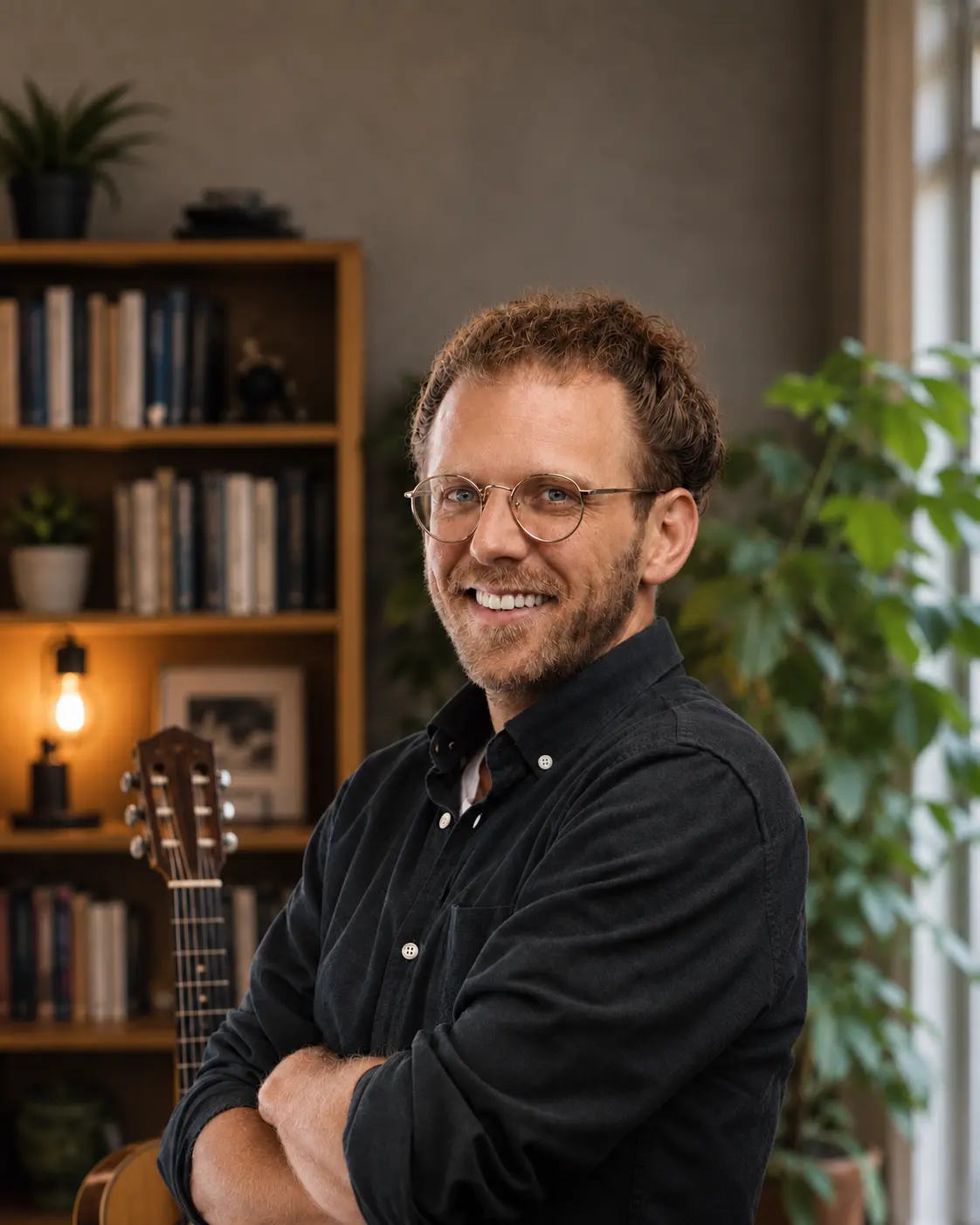
I’m a behavioral researcher, facilitator, musician, and educator interested in what moves people: what they care about, how they learn, how they make decisions, and what helps them feel connected. I turn those questions into research that informs product strategy, design, and the experiences people have with technology.
My work has taken me from academic psychology and behavioral consulting to human-centered AI, community work, and music education. I’m especially drawn to projects that help people live, learn, create, and relate to one another with more agency and connection.
How I work
Mixed methods research, interviews, experiments, and behavioral data to understand what matters to people, what moves them, and why.
Turning research into useful decisions: clearer strategy, better programs and experiences, stronger communication, and shared direction.
Making music, facilitating groups, and designing experiences where strangers become a little less strange.
WHEN TO BRING ME IN
Research, analysis, and facilitated conversations to help you decide what comes next.
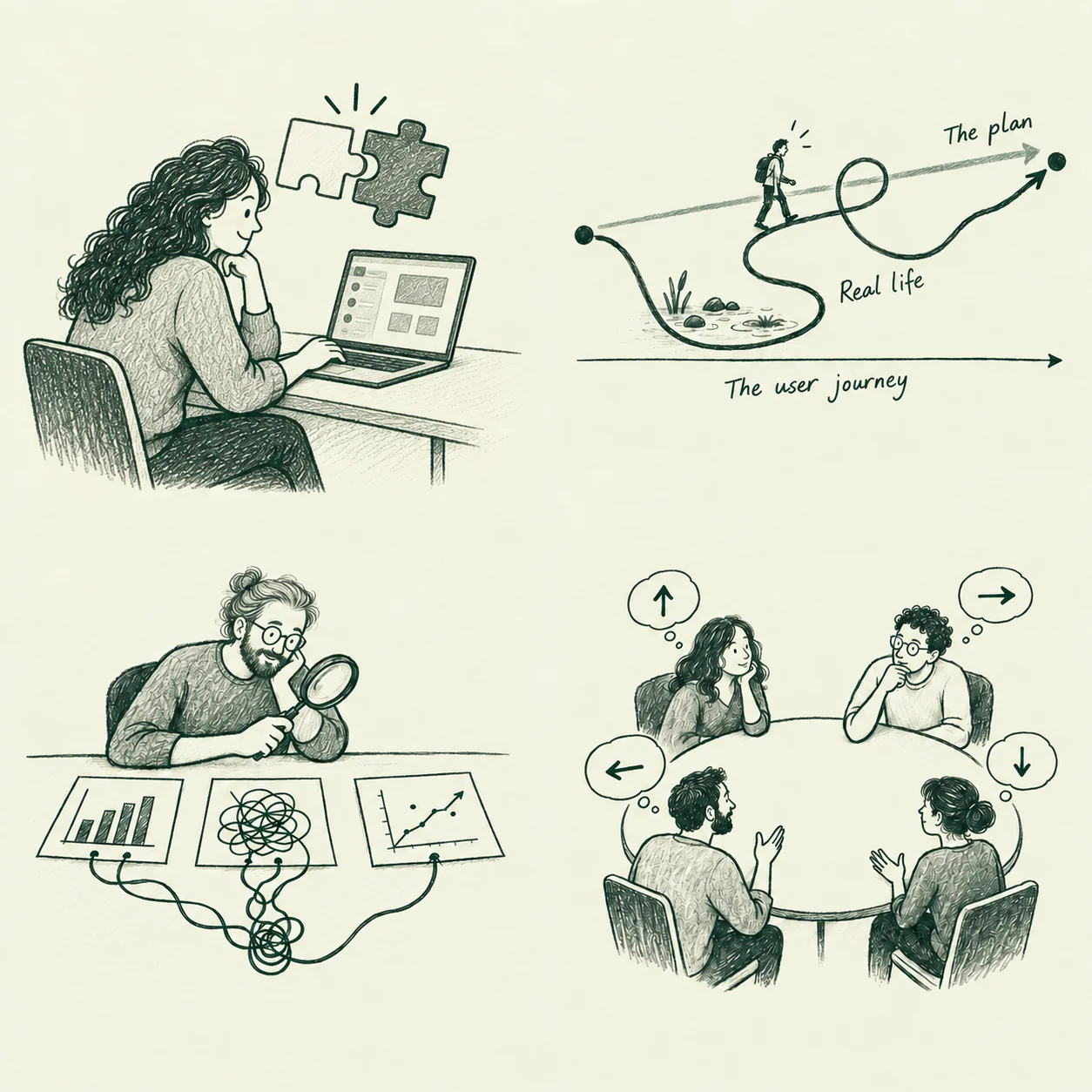
I explore what matters to your audience, where your product, program, or idea fits into their lives, and which assumptions need testing before you invest further.
Founders shaping an early idea; nonprofits designing a program; small teams without a dedicated researcher; established teams exploring a new audience or offering.
A clearer audience, a map of needs and barriers, and a prioritized plan for testing your idea.
I connect users’ experiences with behavioral data to understand where people get stuck, lose motivation, or stop finding value.
Teams with a live product and questions about adoption or retention. Especially relevant to experiences built around repeated use, learning, creativity, or participation.
A map of key friction points, meaningful audience differences, and an experiment plan for the changes worth testing.
I review the research you already have, assess what the evidence supports, and make the findings easier to understand and use.
Growing teams with scattered studies or dashboards; leaders facing conflicting findings; organizations that need an independent review before making a consequential decision.
An assessment of what you can trust, decision-ready visuals, and recommendations for what to do or investigate next.
I make different perspectives and assumptions visible, then help your team work toward a direction people understand and can act on.
Founding teams making shared decisions; cross-functional teams with competing priorities; leaders navigating a shift in strategy or structure who want meaningful input from their people.
Documented priorities, clarity about unresolved questions, and agreed next steps with owners.
Selected experience
GenAI Research Collaborator · Behavioral Science Expert
I worked across large-scale human-AI evaluation programs, combining qualitative research, behavioral judgment, data analysis, and operational research. I also interviewed evaluators to understand onboarding, workflow friction, and ambiguity in complex systems, translating those findings into clearer guidance and support.
Mixed Methods Researcher
Across roughly 10 client engagements, I led behavioral research combining interviews, surveys, experiments, and quantitative analysis. I translated findings into product and communication decisions. I also facilitated and co-facilitated client workshops and ideation sessions to help teams turn evidence into action.
Doctoral Researcher · Experimental Psychology
I designed and led experimental research on how people learn, make decisions, and understand one another. I studied what motivates people to act pro-environmentally, when they feel connected to their groups, and what helps them feel empowered.
These questions also inform how I facilitate groups and design workshops: how can people feel that they belong, that their contribution matters, and that they can act? I mentored dozens of undergraduate students in experimental design and scientific thinking.
Research Methods & Behavioral Science Consultant
Since 2017, I’ve supported 20+ independent projects for nonprofits, startups, researchers, and individuals. My work has included program evaluation, research design, surveys, statistical analysis, behavioral strategy, and helping people turn broad questions into usable evidence.
Creative practice
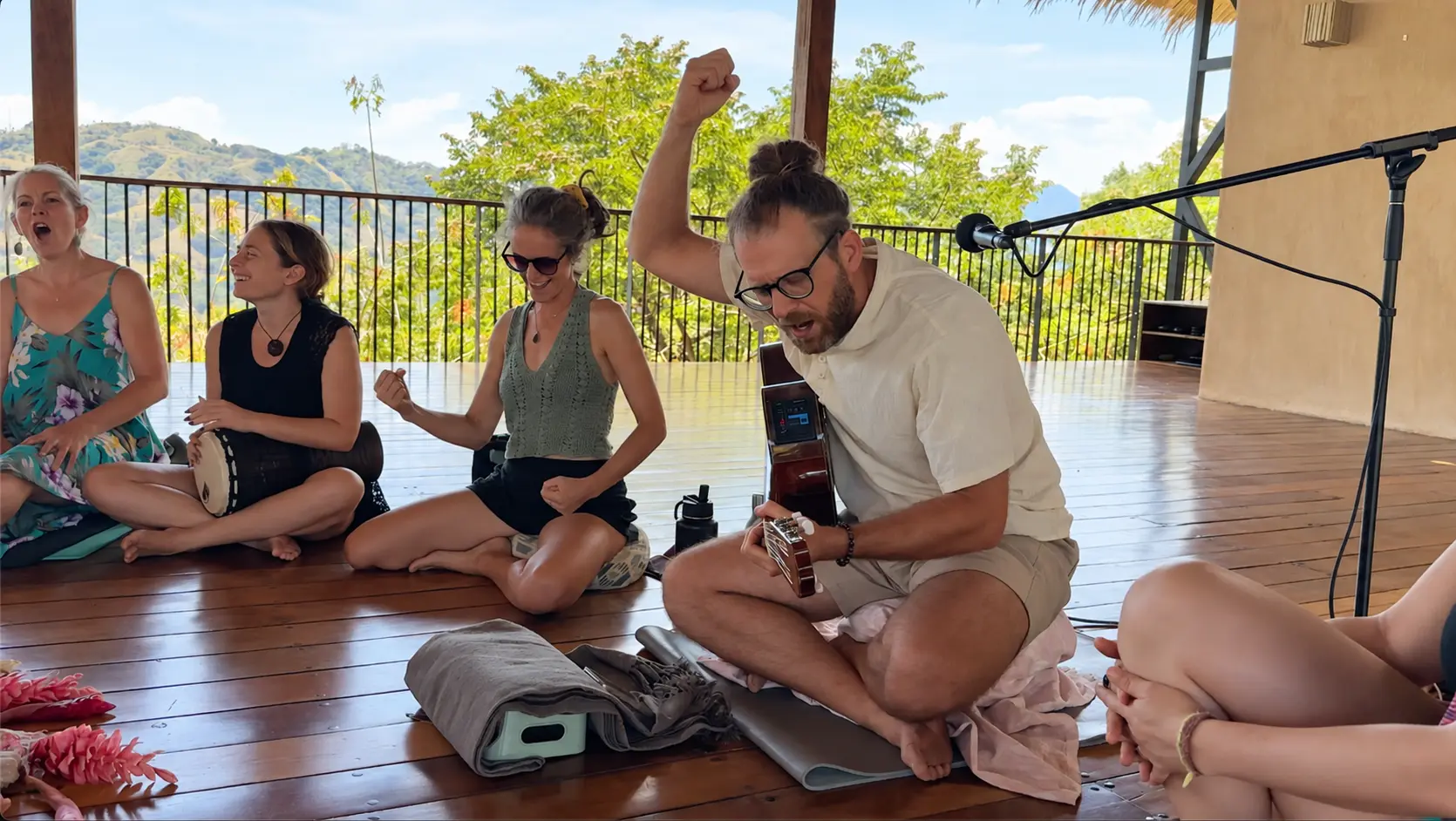
I’m a multi-instrumentalist, songwriter, and music educator with more than 20 years of teaching experience and 100+ students over the years. I teach music theory, ear training, improvisation, and musical understanding, with an emphasis on helping people hear and experience music more deeply.
I facilitate community song circles and am developing my own approach to connecting people through sound. I also create improvised music through live looping, allowing pieces to emerge in the moment.
My facilitation practice extends beyond music to workshops, men’s circles, and conflict resolution. I’m interested in how people listen to one another, find common ground, and participate more fully.
I maintain a small music education practice focused on music theory, ear training, and finding joy through making music.
More recordings, musical experiments, and gatherings will grow here.
Mixed methods · Interviews · Surveys · Experimental design · Behavioral diagnosis · Journey mapping · Program evaluation · Qualitative synthesis
Insight synthesis · R · Python · SQL · Statistics · Psychometrics · Qualtrics · Data visualization · Notion
Music production and recording · Sound design · Songwriting · Music scoring · Music education · Ear training · Improvisation · Group music facilitation
PhD & MA, Experimental Psychology, University of Toronto
BA Psychology & Music, Summa Cum Laude, Columbia University
Let’s make something meaningful
I’m especially interested in work involving human behavior, learning, wellbeing, creativity, community, and meaningful technology.
I’m available for research, program evaluation, facilitation, workshops, music education, and fractional or project-based collaborations.